Reporter
A Spectacular U-Turn
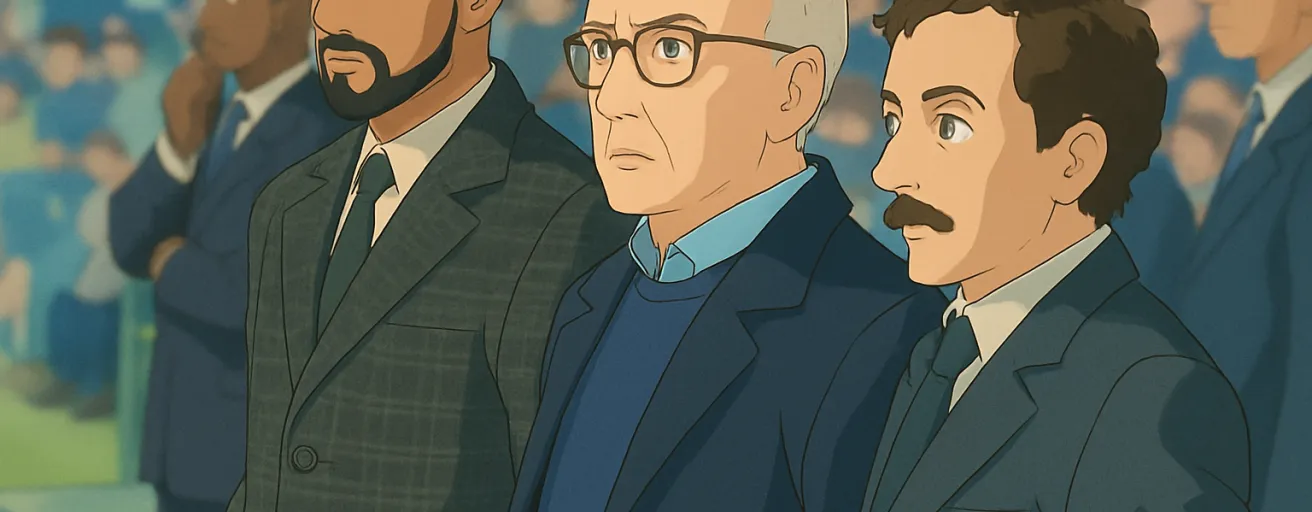
For a long time, Vincent Labrune could count on the unwavering support of Pablo Longoria and Frank McCourt. Back in the days of the DAZN deal, the OM president even accompanied Labrune and Nasser Al-Khelaïfi to London to meet Len Blavatnik, the head of the platform. In July 2024, Longoria publicly thanked both the Ligue president and the PSG boss for “their cooperation and commitment.” In short, it was a honeymoon period.
But 2025 changed everything. In just a few months, OM went from loyal support to outright defiance—culminating in the bombshell joint interview of McCourt and Oughourlian in Le Figaro. Now Labrune is clearly in the crosshairs, and OM is at the forefront of the rebellion.
Early Signs: Criticism Already in May–June
The first cracks were visible in the spring. On May 19, Longoria declared: “It’s the clubs who decide. We appoint executives, if they’re good, fine. If not? Like in any company, they can be replaced.” A veiled jab at the LFP’s governance.
By late June, McCourt himself was openly criticizing the League in the JDD. A warning shot before the storm.
Historic Support for Labrune… and for Nasser
Yet the shared history runs deep. Longoria backed Labrune during his re-election in September 2024, and was even appointed vice-president of the LFP the following month. Labrune and McCourt also maintained cordial personal relations, with private meetings in Saint-Tropez, Saint-Rémy, Rotterdam, and London.
McCourt had also signed off on the CVC investment plan in 2022, securing a €90M bonus for OM in the process. That money, coupled with generous state aid in the post-Covid period, funded Longoria’s ambitious transfer windows between 2021 and 2024. Without it, the club’s deficits would have been staggering.
The Trigger: Harsh Economic Reality
At the heart of the rupture lies finance. McCourt injected nearly $150M of his own money during 2024–2025. The American can no longer sustain this pace and now demands new structural revenue. His recent closeness with Philippe Diallo (FFF) is no coincidence: he’s looking for a new model, outside Labrune’s grip.
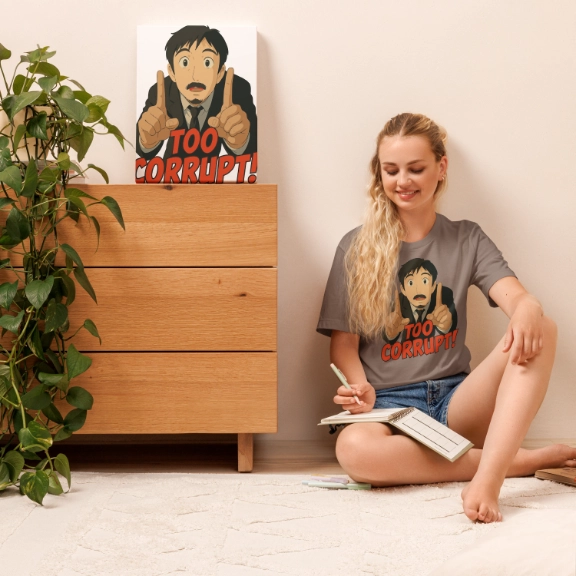
Longoria, suspended from the LFP after the “tout corrupt” affair in February, also distanced himself. Back alongside the owner in May, he floated the idea of a Canal+ partnership worth €300M per season. The project quickly evaporated, but it signaled a desire to break with the status quo.
New Allies: Ligue 1+ and a Candidate of His Own
Since then, Longoria has moved closer to Jérôme Cazadieu and Nicolas de Tavernost, the architects of Ligue 1+. He believes he now has majority support among Ligue 1 presidents, and has put forward a name for change: Jean-Michel Roussier, president of Le Havre.
On September 15, during the LFP board meeting, Longoria will make his big return after suspension. The atmosphere already promises to be electric.
Why It Matters for OM
This isn’t just political posturing—it’s existential for OM. McCourt no longer wants to be the silent banker of a system he views as broken. He wants a League capable of generating real revenue, protecting its clubs, and creating a fairer playing field with PSG.
For OM, leading the charge is both risky and necessary. Risky, because it means breaking with powerful allies; necessary, because sticking with the status quo is a fast track to sporting and financial decline.
The Masks Are Off
With McCourt stepping up, Longoria returning to the fight, and Labrune increasingly isolated, French football is living through a historic turning point.
September 15 is circled in red: a board meeting described as “lunar” already looms. In the stands of the Vélodrome, one word echoes: revolution.
And you, supporters: was it time to break with Labrune? Or is OM taking a colossal gamble by going head-to-head with the system?


Join the debate!
Share your take, ask away, banter with fellow fans—your voice keeps our digital Velodrome roaring.